What Are the Most Popular Indian Sweets in Singapore for Festivals and Celebrations?
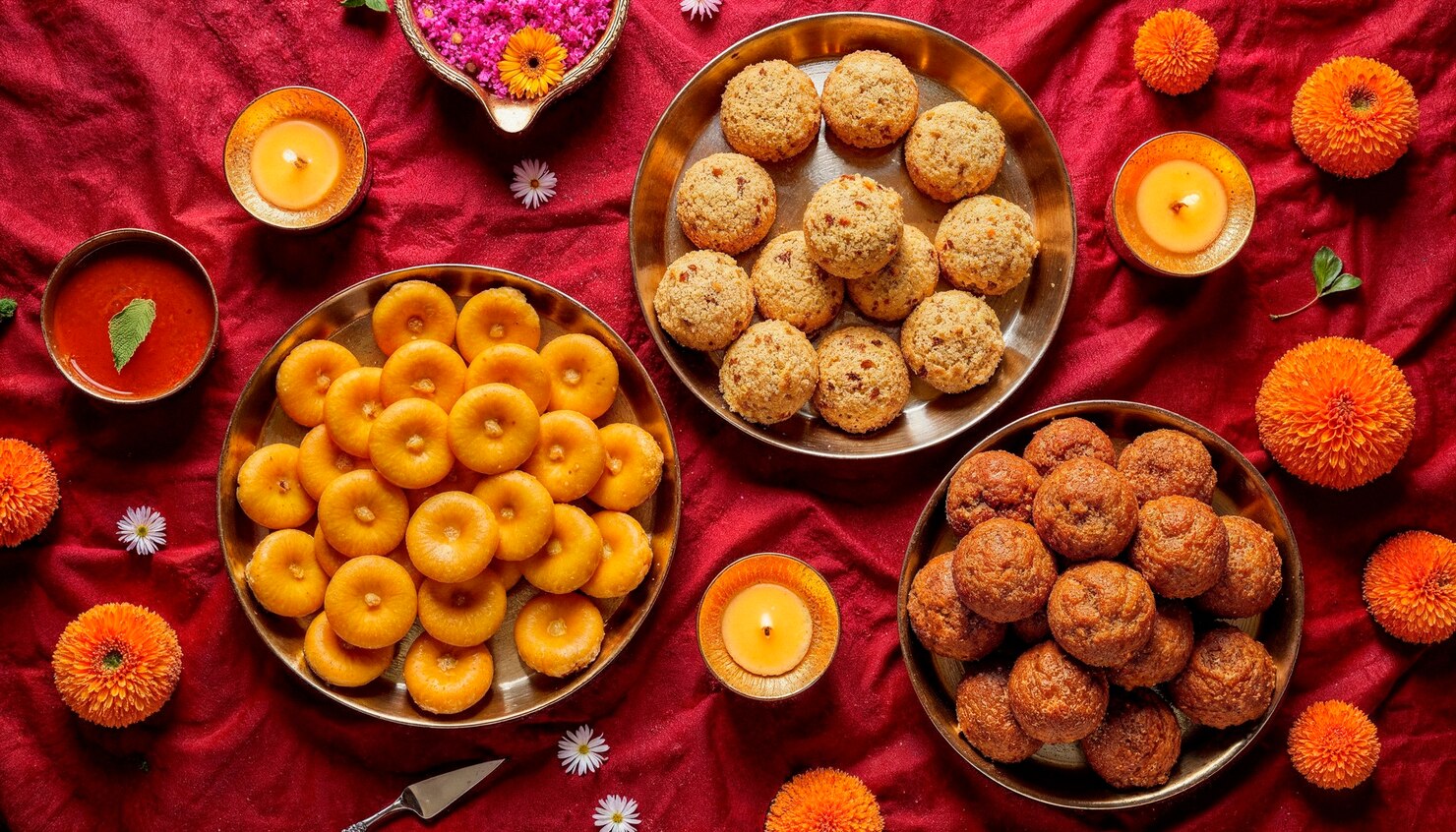
Ladoo, mysore pak, jalebi, kaju katli, gulab jamun, and rasgulla are the sweets that show up most often on festival tables in Singapore, with the exact lineup shifting depending on whether the occasion is Deepavali, Pongal, a wedding, or a smaller family gathering.
Around nine percent of Singapore’s resident population traces its roots to India, and Sankranti Multicuisine Restaurant has watched festival sweet preferences shift over the years as that community’s tastes have broadened, without losing the core favourites this article covers.
What Are the Most Popular Indian Sweets Eaten During Festivals in Singapore
A handful of sweets appear again and again across Singapore’s festival calendar, regardless of which specific holiday is being marked.
- Ladoo, particularly motichoor and besan varieties, seen as an auspicious first choice
- Mysore pak, a dense ghee and gram flour sweet favoured in South Indian households
- Jalebi, the crisp fried and syrup soaked spiral, popular for its texture as much as taste
- Kaju katli, a cashew based sweet often chosen for gifting because it travels well
These four alone cover most of what gets bought in the weeks before Deepavali.
Why Do Ladoo and Mysore Pak Remain Festival Favourites in Singapore
Both sweets keep reasonably well compared to milk based alternatives, which matters in Singapore’s climate. Ladoo also carries symbolic weight as an offering sweet in Hindu households, which keeps it on the table even among families who otherwise buy fewer sweets than a generation ago. Mysore Pak has a stronger regional following, particularly among South Indian and Tamil families, who make up the largest share of Singapore’s Indian community.
What Sweets Are Specific to Deepavali Celebrations in Singapore
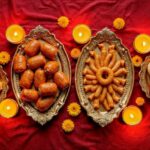
Deepavali is Singapore’s biggest occasion for mithai, and Little India shops report their heaviest queues in the days leading up to it, per GoCompare Singapore. Barfi, laddu, and gulab jamun dominate, alongside newer additions like modern flavoured ladoo variants that some restaurants now sell as gift items. Savoury vadai often appears alongside the sweets, since Deepavali food tables rarely stay sweet only for long.
What Sweets Are Served During Pongal and Other Tamil Festivals
Pongal has its own smaller sweet lineup, and it is more specific than most people expect.
- Sakkarai Pongal, a sweetened rice dish that gives the festival its name
- Ellu urundai, sesame and jaggery balls associated specifically with the harvest theme
- Payasam, a milk based sweet soup served warm during the festival period
- Coconut based sweets, which appear more in Pongal spreads than in Deepavali ones
Pongal’s sweets lean toward jaggery and rice rather than the ghee heavy mithai of Deepavali.
How Do Regional Indian Sweets Differ Across North and South India
North Indian sweets, like kaju katli and gulab jamun, tend to be richer and built around khoya, or reduced milk solids. South Indian sweets, including mysore pak and payasam, lean more on ghee, jaggery, and coconut. Singapore’s Indian sweet shops carry both traditions side by side, largely because the resident Indian population itself spans Tamil, Punjabi, Gujarati, and other regional backgrounds.
Which Festival Sweets Are Best Suited for Sharing With Neighbours and Colleagues
Some sweets simply travel and share better than others, which matters in office pantries and multi ethnic apartment blocks.
- Kaju katli and soan papdi, both dry enough to sit at room temperature for a day or two
- Small individually wrapped ladoo, easy to portion out without cutting
- Dry fruit based sweets, a safer choice for colleagues avoiding excess sugar
- Milk based sweets like rasgulla, best kept for same day family sharing only
Choosing the right sweet for the setting avoids the awkwardness of a soggy or spoiled box arriving at someone’s desk.