
Singapore’s Indian sweet shops preserve authentic flavour mainly by sticking to ghee based recipes, avoiding artificial preservatives, and accepting a short shelf life as the tradeoff, rather than reaching for the additives that extend commercial confectionery.
Sankranti Multicuisine Restaurant follows much the same logic in its own kitchen, which is why this article digs into what actually keeps a sweet tasting the way it should, beyond the marketing language most shops use.
How Do Indian Sweet Shops in Singapore Keep Traditional Recipes Authentic
Authenticity in this context is less about a secret ingredient and more about restraint. Shops that stick closest to tradition tend to use whole milk reduced slowly into khoya, real ghee rather than vegetable fat blends, and hand roasted nuts instead of pre ground substitutes. It is slower and more expensive than the alternative, which is exactly why cheaper shops sometimes cut corners here first.
What Role Does Ghee Play in Preserving Flavour and Texture
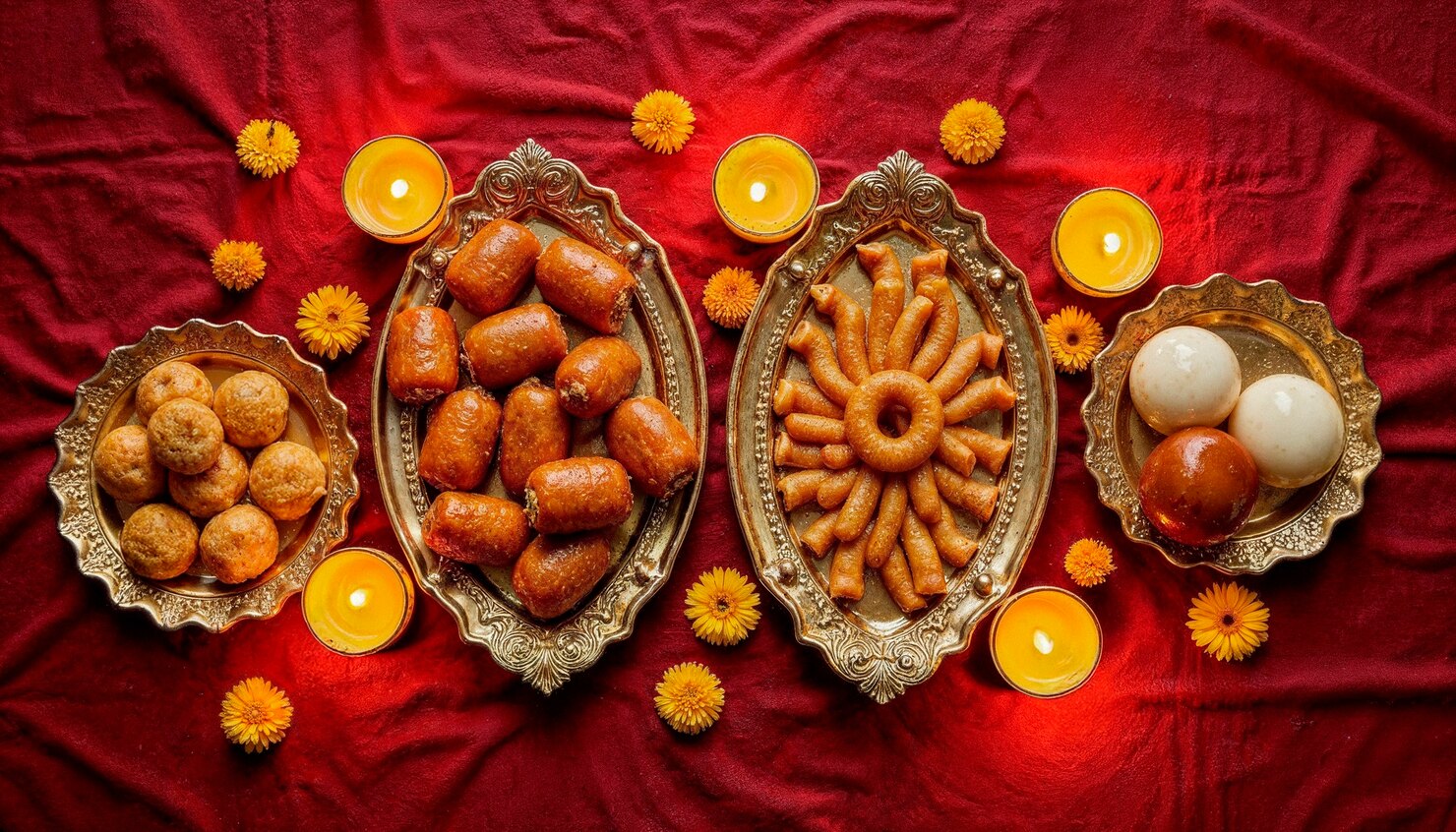
Ghee does double duty. It carries flavour in a way vegetable oil cannot replicate, and it also acts as a natural preservative, since sweets like mohanthal and certain ladoo varieties stay edible longer when packed in a proper ghee base than when made with a lighter fat. That is also why refrigerating ghee based sweets is usually a mistake. The fat solidifies and the texture turns hard, undoing the point of using ghee in the first place.
What Ingredients Do Traditional Sweet Makers Avoid Using
Shops that lean on tradition tend to be fairly consistent about what they leave out, even if they are not always explicit about it on packaging.
- Artificial food colouring, in favour of natural tones from saffron, turmeric, or beetroot
- Chemical preservatives, which extend shelf life at the cost of taste
- Vanaspati or hydrogenated vegetable fat as a ghee substitute
- Pre made flavouring pastes instead of freshly ground cardamom or saffron
Skipping these is what makes a sweet taste closer to homemade than mass produced.
How Are Food Safety and Preservative Rules Regulated in Singapore
Singapore’s Food Regulations classify preservatives into distinct categories, and any additive used in food sold here must be approved by the Singapore Food Agency before use, according to SFA’s guidance on preservatives. This applies to Indian sweets the same way it applies to kueh or any other locally made confectionery. Shops that avoid additives altogether are not doing anything unusual under the law, they are simply choosing the stricter, more traditional route within rules that already permit some additive use.
Why Do Fresh Indian Sweets Have Such a Short Shelf Life
This is the part most first time buyers underestimate, and it is worth being blunt about.
- Milk based sweets such as rasgulla and kalakand typically last only one to four days without refrigeration, per FSSAI’s guidance note on milk products
- Ghee based sweets like ladoo and mohanthal can hold up to seven to ten days at room temperature
- Dry fruit and nut based sweets, including kaju katli, last the longest of the common varieties
- Humidity accelerates spoilage across the board, which matters in Singapore’s climate more than most places
A sweet that claims a month long shelf life without refrigeration is worth a second look at its ingredient list.
What Should Buyers Check to Confirm a Shop Uses Authentic Methods
A few practical checks tell buyers more than any label claim does.
- Ask whether the sweets are made fresh daily or in larger weekly batches
- Check the texture, since ghee based sweets should feel slightly soft, not waxy
- Notice the aroma, real ghee has a distinct nutty smell that substitutes lack
- Ask directly whether preservatives are used, and expect a straight answer either way
Shops confident in their process rarely hesitate to answer these questions.