

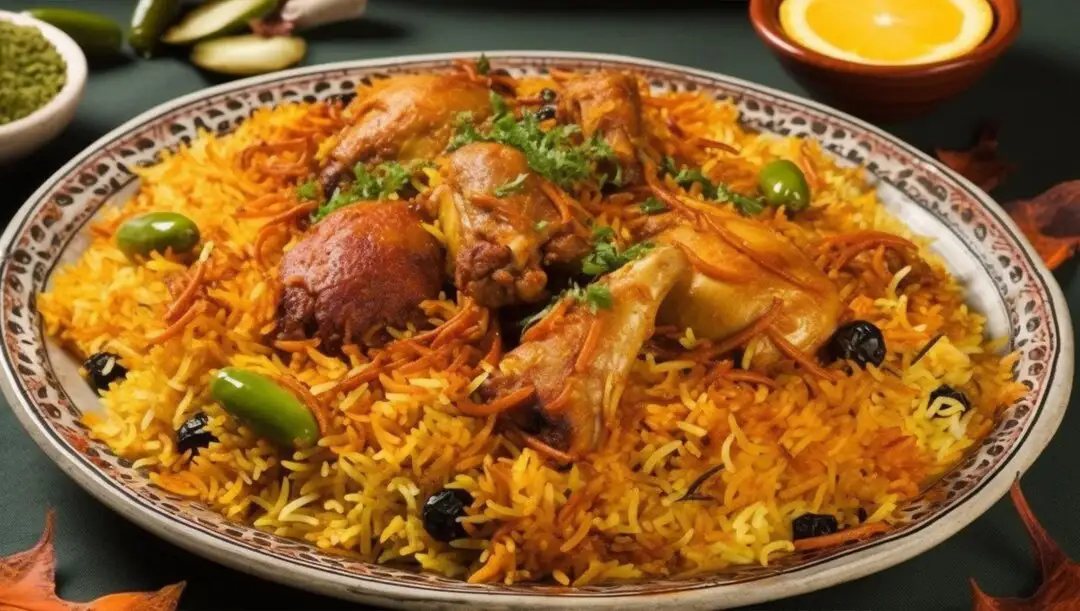
Hyderabadi Dum Biryani earns its reputation in Singapore through a combination of centuries old technique, a spice profile that rewards patience over shortcuts, and easy access in a city where Little India has protected this style of cooking for generations.
Singapore has no shortage of biryani options, from hawker stalls to fine dining Indian restaurants, but Hyderabadi Dum Biryani occupies a specific place in that landscape. Sankranti, a family run restaurant in Little India, is one of several kitchens keeping that specific tradition alive on the island. The reasons it keeps drawing repeat diners go beyond simple flavor.
What Makes the Dum Cooking Process Worth Experiencing?
The sealed pot method isn’t just a technique, it’s a slow process that can’t be rushed without ruining the dish, and that patience shows up in the final plate. Rice grains stay separate and fully infused with spice rather than mushy or underseasoned, something that’s harder to pull off with faster cooking methods.
- The sealed handi traps steam, letting the rice cook in its own aroma rather than boiling
- Raw meat marinated overnight in yogurt and spices becomes tender without needing to be pre-cooked
- Layering, rather than mixing, means each spoonful can taste slightly different depending on where it’s scooped from
- The final dish is opened tableside in some restaurants, releasing the aroma as a small moment of theater
- Mistakes in timing are unforgiving, which is part of why a well made dum biryani reflects real skill
That difficulty is exactly why a good version stands out from a rushed one.
Why Do Food Lovers Keep Returning to This Specific Dish?
Repeat customers tend to cite consistency and depth of flavor as reasons they come back, according to reviews on platforms like Tripadvisor and Yelp for Little India restaurants. A dish that layers spice slowly during cooking tends to taste more balanced than one seasoned quickly at the end, and diners notice that difference over repeat visits.
How Does Little India’s History Add to the Experience?
Eating Hyderabadi biryani in Little India carries some weight beyond the plate itself. The district was gazetted a conservation area by Singapore’s National Heritage Board in 1989, and Indian culinary traditions have been protected there ever since, giving the area a continuity that newer food districts don’t have. Walking Serangoon Road today means eating in roughly the same streets where these recipes were first served to the local Indian community generations ago.
What Should First Time Diners Expect to Pay Attention To?
First timers often focus only on spice level, but there’s more to notice.
- Whether the rice grains are separate and distinct, a sign of proper layering
- The presence of mirchi ka salan and raita as accompaniments, since a kitchen skipping these is cutting corners
- Visible saffron or turmeric streaks through parts of the rice, not an even orange color throughout
- Tender meat that pulls apart easily, without being dry or rubbery
- A short wait time before serving, since properly sealed dum cooking takes time and can’t be rushed to order
Paying attention to these details turns a casual meal into something closer to an informed one.
Is Hyderabadi Biryani Worth Seeking Out Over Other Indian Dishes in Singapore?
That depends on what a diner is looking for. Butter chicken and tandoori dishes are more forgiving and consistent across restaurants, while Hyderabadi biryani rewards diners who specifically seek out kitchens committed to the traditional method. For anyone who already enjoys Indian food broadly, this dish offers a more specific and technically demanding version worth trying at least once.
What Do Food Writers Say About Singapore’s Biryani Scene?
Food publications covering Singapore’s dining scene consistently return to Little India and Kampong Glam when recommending biryani, citing the concentration of long running, family operated kitchens as a reason the area holds up against newer competition. That consistency across multiple independent write ups is a reasonable signal for anyone deciding where to eat first.
Why Choose Sankranti
Sankranti has served Little India’s dining community since 2008, giving it enough history in the neighborhood to have refined its Hyderabadi Dum Biryani over repeat batches rather than a single fixed recipe. The restaurant keeps the sealed pot method as its default approach, which means diners get the same slow cooked consistency on a Tuesday afternoon as they would on a weekend. That consistency is part of why the restaurant continues to draw both first time visitors and regulars from across the island.
Conclusion
Hyderabadi Dum Biryani earns its reputation through a process that rewards patience over speed, and that difference is easiest to notice once a diner has something to compare it against. Little India’s long running kitchens make that comparison easy to find in one stretch of the city.
Get in touch with Sankranti today and see what the dum method brings to a plate of biryani.