
South Indian food in Singapore is defined by rice-based meals, lentil gravies, tamarind-forward flavors, and spices like mustard seeds, curry leaves, and dried red chilies. Authentic preparation relies on fermented batters, fresh tempering, and region-specific recipes. Key dishes include dosa, idli, rasam, sambar rice, and Hyderabadi biryani. A genuine South Indian restaurant makes chutneys in-house, sources fresh curry leaves, and prepares batter from scratch daily.
Singapore’s food landscape is one of the most diverse in Southeast Asia, and South Indian cuisine has secured a permanent place within it. Sankranti, a multicuisine restaurant, brings South Indian food in Singapore to the table using recipes and techniques deeply rooted in regional culinary traditions. Authentic South Indian cooking balances fermentation, freshness, and spice in ways that generic interpretations often miss. This guide covers what defines genuine South Indian food, how it differs from other Indian regional cuisines, and how to identify a truly authentic dining experience.
What Makes South Indian Food in Singapore Truly Authentic?
Authenticity in South Indian food comes from preparation methods passed down across generations in Tamil Nadu, Andhra Pradesh, Kerala, and Karnataka. Fermentation is central to dishes like idli and dosa, where the batter requires hours of resting before cooking begins. The use of fresh curry leaves, mustard seeds, dried red chilies, and coconut in tempering sets South Indian cooking apart from all other Indian regional cuisines. According to research published in the Journal of Ethnic Foods, traditional fermentation in South Indian cooking contributes significantly to both flavor complexity and nutritional value.
What is the Difference Between South Indian and North Indian Food?
South Indian food is rice-based, uses more tamarind and lentils, and incorporates coconut across both savory and sweet preparations. North Indian food centers on wheat-based breads, cream-heavy gravies, and dairy-rich sauces. The two cuisines differ sharply in base ingredients, cooking techniques, and flavor profiles, even though both fall under the broader “Indian food” category.
What are the Most Popular South Indian Dishes to Try in Singapore?
South Indian food in Singapore covers a wide range of dishes, from light breakfast options to full rice meals. These are the most recognized and consistently ordered options across authentic South Indian restaurants.
- Dosa: A thin, crispy crepe made from fermented rice and urad dal batter, served with sambar and coconut chutney
- Idli: Soft steamed rice cakes served fresh with sambar and a selection of house-made chutneys
- Rasam: A thin, peppery tamarind-based soup traditionally served as a digestive course during a South Indian rice meal
- Sambar Rice: Lentil-based vegetable stew ladled over steamed rice, a staple from Tamil Nadu and Andhra Pradesh
- Biryani (Hyderabadi Style): Slow-cooked spiced rice with meat or vegetables, originating from the Deccan region of South India
- Appam: A soft, bowl-shaped rice pancake with crispy edges, popular in Kerala-inspired South Indian menus
Each dish reflects a specific region of South India, and the quality of preparation, particularly batter fermentation and spice sourcing, separates a truly authentic plate from a generic one.
What Spices and Ingredients Define Authentic South Indian Cooking?
The flavor profile of South Indian food depends on a precise set of spices and fresh ingredients that differ significantly from other Indian regional cuisines. Getting these elements right is what separates a genuinely authentic South Indian meal from a generic one.
- Curry Leaves: Fresh curry leaves are essential in tempering and cannot be substituted with dried versions without significant flavor loss
- Tamarind: Provides the sour, tangy base in rasam, sambar, and chutneys throughout the entire cuisine
- Mustard Seeds: Spluttered in hot oil at the start of cooking to release their nutty aroma into every dish
- Urad Dal: A key ingredient in dosa and idli batter, essential for fermentation and achieving the correct texture
- Coconut: Used fresh, grated, or as milk in chutneys, curries, and desserts across all South Indian subregions
- Asafoetida (Hing): Added in small amounts to lentil-based dishes for digestive benefits and added depth of flavor
A 2021 study by the Indian Council of Agricultural Research confirmed that traditional South Indian spice blends offer measurable culinary and nutritional advantages, reinforcing why ingredient quality and sourcing matter deeply in authentic preparation.
How Do South Indian Restaurants in Singapore Maintain Authentic Recipes?
Authentic South Indian restaurants in Singapore maintain their culinary standards through consistent sourcing and daily preparation practices. These are the key practices that distinguish genuinely authentic establishments from restaurants that apply the “South Indian” label without the underlying standards.
- Fresh Ingredient Sourcing: Curry leaves, tamarind blocks, and region-specific lentils are sourced fresh to maintain native flavor profiles from Tamil Nadu, Kerala, and Andhra Pradesh
- In-House Chutney Preparation: Chutneys made on-site daily signal that the kitchen is not relying on commercial mixes or pre-packaged shortcuts
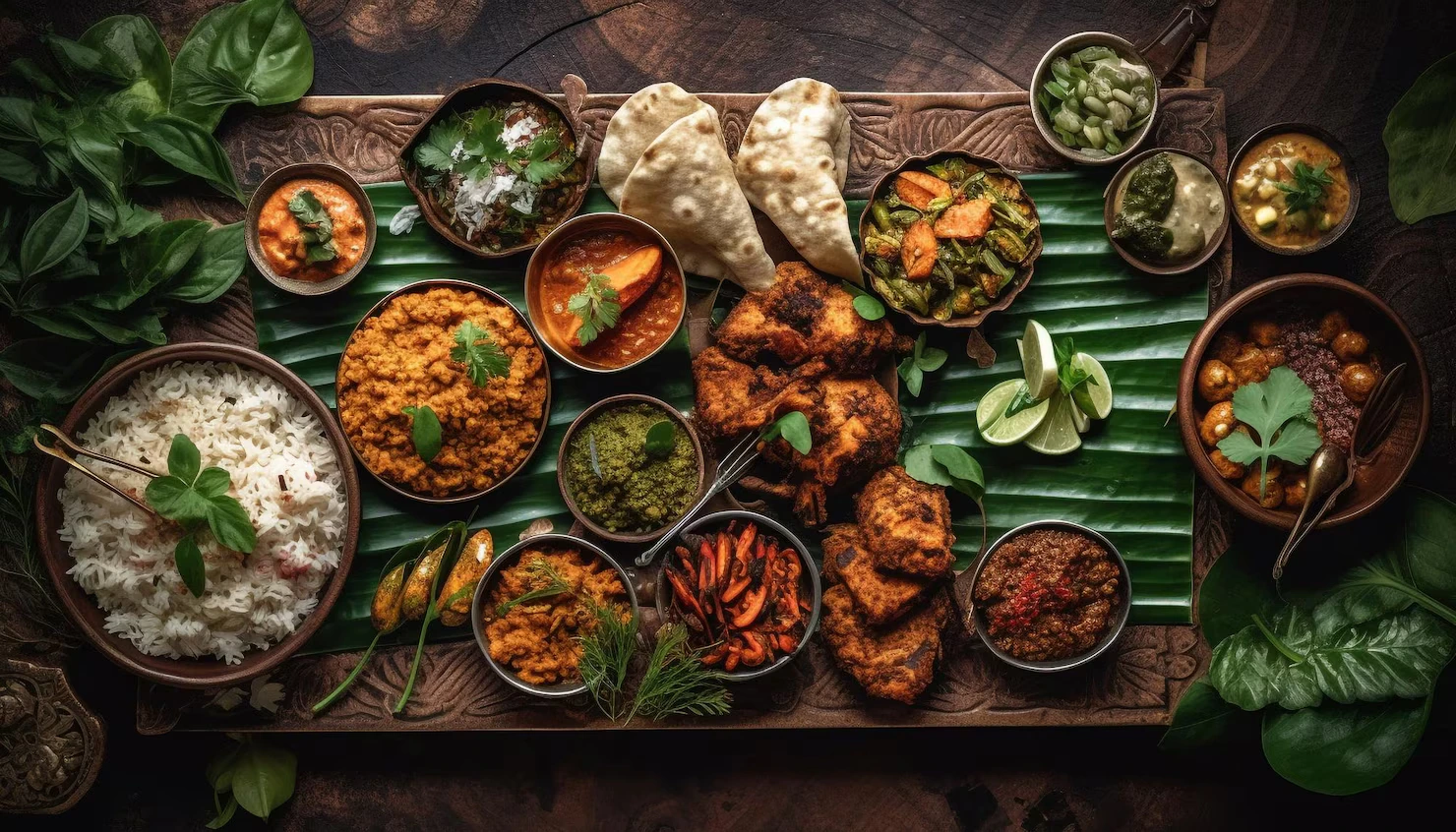
- Banana Leaf Service: Traditional presentation on banana leaves is a functional and cultural practice tied to Andhra and Tamil Nadu dining tradition
- Fermentation Scheduling: Genuine dosa and idli kitchens maintain a daily fermentation schedule rather than using ready-to-use batter from packets
- Menu Consistency: Restaurants that maintain the same core dishes over time demonstrate recipe reliability and ingredient availability standards
The Singapore Food Agency notes that preserving authentic ethnic cuisine is a central component of Singapore’s national food identity framework.
What Do Reviews Say About South Indian Food Quality in Singapore?
Food critics and community reviewers consistently evaluate South Indian restaurants in Singapore based on fermentation quality, freshness of tempering, and sambar consistency. A report from the Singapore Tourism Board highlights Indian cuisine as one of the most searched food categories among international visitors to the city. Reviews that mention fresh curry leaves, house-made chutneys, and banana leaf service reliably signal authenticity over generic dining experiences. The most positively reviewed South Indian food spots in Singapore show sustained ratings over extended time periods, rather than short spikes tied to marketing activity.
Is South Indian Food in Singapore Worth Trying for First-Timers?
South Indian food is worth trying for first-timers because the range spans mild options (plain dosa, idli) through moderately spiced (sambar, rasam) to intensely flavored (Andhra-style curries). The cuisine is also largely plant-based-friendly, with many vegetarian dishes that carry no compromise on taste or nutritional depth.
References:
- Journal of Ethnic Foods (2019): Research on traditional fermentation practices in South Indian cooking and their nutritional implications
- Indian Council of Agricultural Research (2021): Study on South Indian spice blends and culinary-nutritional value
- Singapore Food Agency: National food identity and ethnic cuisine preservation framework
- Singapore Tourism Board: International tourist food category preference data for Singapore