
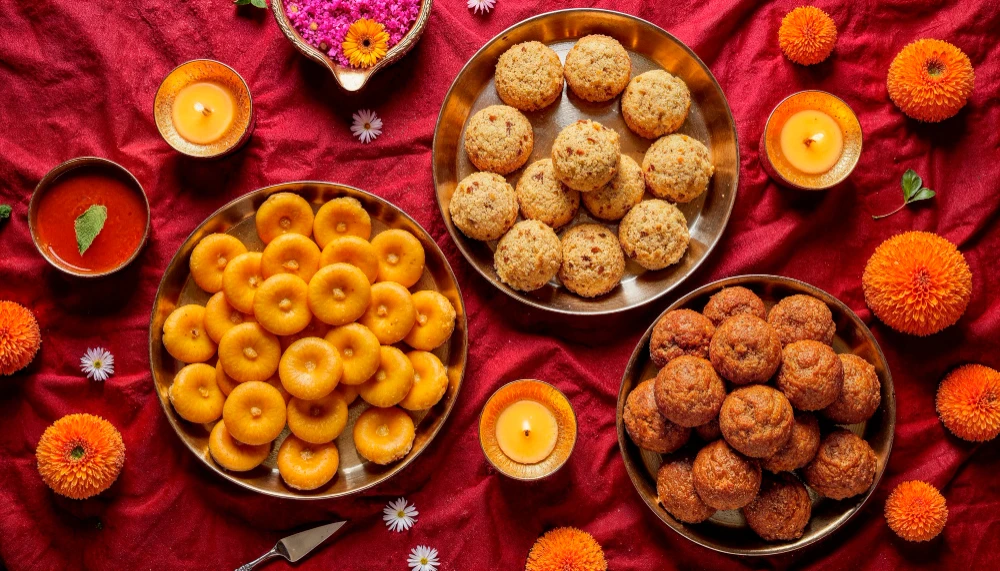
Indian sweets in Singapore include milk-based options like gulab jamun and rasmalai, flour-based treats like halwa and ladoo, and fried sweets like jalebi. The best pairings after a South Indian meal are lighter sweets like payasam and semolina halwa, which balance the heat of spicy curries. Sweets from India vary by region and occasion, and most are available across restaurant dessert menus and dedicated Indian sweet shops in Little India throughout the year.
Singapore’s Indian community has maintained a strong connection to traditional sweets, making Indian sweets in Singapore widely accessible through restaurants, dedicated mithai shops in Little India, and festival markets. Sankranti restaurant includes select Indian sweets and desserts that complement its multicuisine South Indian menu. Understanding which sweets from India pair best with different meal types significantly improves the overall dining experience. This guide covers the most popular Indian sweets available in Singapore and how to match them with South Indian courses.
What are the Most Popular Indian Sweets Available in Singapore?
Indian sweets in Singapore span a broad range from milk-based to flour-based, fried, and chilled desserts. These are the most commonly found sweets from India across restaurants and dedicated Indian sweet shops in Singapore.
- Gulab Jamun: Deep-fried milk solid dumplings soaked in rose-flavored sugar syrup; one of the most widely ordered Indian sweets in Singapore
- Rasgulla: Soft, spongy cheese balls cooked in light sugar syrup, originating from Bengal and served across Indian restaurants
- Ladoo: Round sweets in besan, boondi, or motichoor varieties, common as post-meal treats and during Indian festival seasons
- Halwa: A dense pudding made from semolina, carrots, or lentils, typically served warm as a dessert or festival sweet
- Rasmalai: Soft paneer discs soaked in saffron-infused sweetened milk; a chilled dessert popular in South Indian fine dining settings
- Jalebi: Crispy deep-fried flour spirals soaked in sugar syrup, best enjoyed warm and often paired with rabri or condensed milk
Each sweet from India carries a distinct regional origin and preparation method, which means freshness and technique significantly affect the quality of Indian sweets in Singapore.
How Do Indian Sweets Pair with a South Indian Meal in Singapore?
Pairing Indian sweets with a South Indian meal works best when the sweetness balances rather than intensifies the heat of dishes like rasam, sambar, or Andhra curry. Payasam, a South Indian rice and milk pudding, is the most traditional post-meal sweet in Tamil Nadu and Kerala, making it the most natural pairing after a South Indian rice course. Semolina halwa (sooji halwa) pairs effectively because its mild sweetness and warm texture provide a gentle close after a heavily spiced meal. A 2020 nutritional study from the National Institute of Nutrition (India) noted that jaggery-based South Indian sweets carry a lower glycemic impact than refined sugar alternatives, which aligns with traditional meal-closing practices across the region.
Which Indian Sweet Works Best After Spicy Andhra Food?
After Andhra-style food, which ranks as the spiciest regional South Indian cuisine, the most effective sweet pairing is payasam or a milk-based dessert like rasmalai. Milk-based sweets coat the palate and reduce residual heat more effectively than fried or syrup-heavy options like jalebi or gulab jamun.
What Makes Indian Sweets from India Authentic Compared to Local Adaptations?
Not all Indian sweets in Singapore use traditional methods or ingredients, and the difference shows in texture, sweetness level, and shelf life. These are the key markers that separate authentic sweets from India from locally adapted or commercially produced versions.
- Ingredient Sourcing: Authentic sweets use ghee (clarified butter), full-fat milk, and kesar (saffron); commercial shortcuts use vegetable oil or artificial flavoring
- Preparation Method: Traditional ladoo and burfi are hand-rolled or hand-pressed; machine-made versions are uniform but lack texture complexity
- Sweetness Level: Authentic Indian sweets are sweetened with sugar syrup, jaggery, or khoya (reduced milk solids), not artificial sweeteners
- Shelf Life: Fresh Indian sweets last 1 to 3 days without preservatives; longer shelf life indicates the addition of preservatives or factory production methods
- Texture Indicators: Gulab jamun should be soft throughout with slight resistance; rasgulla should be spongy with no doughy center remaining after cooking
According to the Food Safety and Standards Authority of India (FSSAI), traditional Indian sweets made with ghee and natural ingredients meet specific compositional standards that clearly distinguish them from commercial confectionery products.
Where Can Someone Find Fresh Indian Sweets in Singapore?
Finding fresh Indian sweets in Singapore requires knowing where to look and what signals freshness and quality at the point of purchase.
- Little India (Serangoon Road and Buffalo Road): Highest concentration of dedicated mithai shops in Singapore, with most making sweets fresh on-site daily
- South Indian Restaurants: Select restaurants offer house-made payasam, halwa, and kheer, especially during Diwali, Pongal, and Deepavali seasons
- Festival Markets: Temporary sweet stalls operate during Indian festival periods and carry festival-specific sweets not available year-round
- Indian Grocery Stores: Pre-packaged imported sweets are available but differ noticeably in texture compared to freshly prepared on-site options
- Online Delivery Apps: Several Indian sweet shops in Singapore offer delivery; checking review recency helps confirm freshness standards before ordering
The Indian Heritage Centre in Singapore notes that the continuation of traditional Indian sweet-making practices forms an important part of the Indian diaspora’s cultural identity in the city.
What Do Reviews Say About Indian Sweets Shops and Restaurants in Singapore?
Reviews of Indian sweets in Singapore consistently highlight three factors: freshness, sweetness balance, and portion size relative to price. Tripadvisor and Google reviews for Indian sweet shops in Little India show a strong preference for mithai shops that make sweets daily over those displaying pre-packaged imports. Food reviewers frequently note that payasam and halwa quality varies widely across South Indian restaurants, with the best versions made in-house rather than sourced externally. The Singapore Food Agency’s hygiene grading system provides an additional trust signal when evaluating Indian food establishments, including dedicated Indian sweet shops.
Are Indian Sweets in Singapore Expensive Compared to Sweets from India?
Indian sweets in Singapore are generally 2 to 4 times more expensive than equivalent sweets purchased in India, primarily due to ingredient import costs including ghee, saffron, and khoya. Fresh, hand-made options from Indian sweet shops in Little India remain competitively priced relative to restaurant dessert servings.
References:
- National Institute of Nutrition, India (2020): Glycemic index research on jaggery-based South Indian sweets
- Food Safety and Standards Authority of India (FSSAI): Compositional standards for traditional Indian sweets and mithai
- Indian Heritage Centre, Singapore: Cultural documentation of Indian sweet-making traditions within the Singapore diaspora
- Singapore Food Agency: Hygiene grading system and food establishment safety ratings