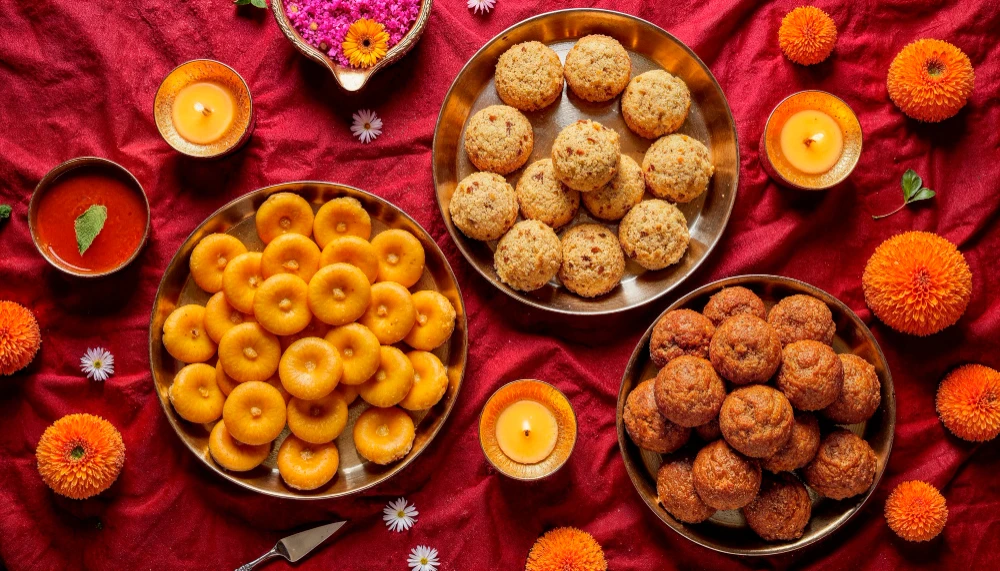
Indian snacks in Singapore include savory options like murukku, chakli, samosa, and masala vada, and sweet options like mysore pak, barfi, and halwa. Indian sweetmeats near me searches in Singapore most reliably surface results in Little India (Serangoon Road and Buffalo Road), Jurong East, and Woodlands. Authentic Indian snacks use rice flour, chickpea flour (besan), or semolina, and are fried or baked fresh rather than pre-packaged and imported.
After a full South Indian meal, a craving for something sweet or crunchy is a natural conclusion to the dining experience. Sankranti, a multicuisine Indian restaurant in Singapore, offers select traditional snacks and sweets that complete a South Indian meal in a satisfying and authentic way. Indian snacks in Singapore vary widely in preparation style and regional origin, making it worth knowing what to look for and where to find the best options. This guide covers the most popular Indian snacks and sweetmeats available in Singapore, their regional backgrounds, and how to find authentic options near any location in the city.
What are the Most Popular Indian Snacks Available in Singapore?
Indian snacks in Singapore range from light, crispy savory options to dense, spiced bites that reflect the full breadth of Indian snack culture. These are the most widely found and consistently reviewed options across Singapore’s Indian food community.
- Murukku: A crunchy spiral made from rice flour and urad dal, seasoned with cumin and sesame; a staple South Indian snack served at festivals and as an everyday treat
- Samosa: A triangular fried pastry filled with spiced potato, peas, or meat; one of the most universally recognized Indian snacks in Singapore
- Chakli: A wheel-shaped snack made from rice flour or multigrain flour, similar to murukku but with a denser, distinct texture
- Bhel Puri: A Mumbai-style street snack mixing puffed rice, sev, chopped vegetables, and tamarind chutney for a tangy-sweet balance
- Masala Vada: A deep-fried lentil patty spiced with ginger, green chili, and curry leaves; popular across Tamil Nadu-style South Indian menus
- Pakora: Deep-fried fritters made from vegetables or paneer coated in chickpea batter, commonly served as a starter or evening snack
Each Indian snack reflects a specific regional food tradition, and freshly made versions from Indian snack shops or South Indian restaurants significantly outperform packaged alternatives in both taste and texture.
What are Indian Sweetmeats and How are They Different from Regular Sweets?
Indian sweetmeats refer to a specific category of dense, handmade confections traditionally prepared with milk solids (khoya), gram flour (besan), or semolina, distinguishing them from lighter sweets or commercial candy. Examples include barfi, mysore pak, and peda, all of which require slow cooking and precise temperature control to achieve the correct texture and sweetness. Indian sweetmeats near me searches in Singapore most commonly surface results in Little India, where mithai shops prepare fresh batches daily for both walk-in customers and festival orders. According to the Food Safety and Standards Authority of India (FSSAI), traditional sweetmeats follow specific compositional requirements that exclude synthetic fats and artificial sweeteners from the authentic production process.
Are Indian Sweetmeats in Singapore Made Fresh or Imported?
Most Indian sweetmeats sold in Singapore’s Little India are prepared fresh on-site by dedicated mithai shops. Pre-packaged sweetmeats imported from India are also available in Indian grocery stores but differ noticeably in texture due to preservatives and the extended shelf life requirements of imported food products.
Which Indian Sweetmeats Work Best After a Spicy South Indian Meal?
After a spicy South Indian meal, the ideal sweetmeat balances richness and sweetness without adding more heat to the palate. These are the top Indian sweetmeats near me that serve as the most satisfying post-meal conclusion after a South Indian rice course.
- Mysore Pak: A dense, ghee-rich gram flour sweetmeat from Karnataka; its mild sweetness and melt-in-mouth texture make it ideal after a heat-forward meal
- Semolina Halwa (Sooji Halwa): Warm, lightly sweetened semolina pudding that soothes the palate after an intensely spiced South Indian course
- Peda: Soft milk-solid rounds lightly flavored with cardamom; gentle enough not to overwhelm a post-meal palate already exposed to strong spices
- Coconut Burfi: Sweetened compressed grated coconut squares; the natural cooling quality of coconut makes this effective after a heavily spiced meal
- Kheer or Payasam: Rice pudding in milk with cardamom and nuts; the most traditional South Indian post-meal sweet, pairing naturally with a full rice course
Nutritional research from the National Institute of Nutrition (India) supports the consumption of milk-based sweets after spiced meals, citing casein protein in milk as a natural capsaicin buffer that helps reduce residual palate heat.
Where Can Someone Find Authentic Indian Snacks and Sweetmeats Near Me in Singapore?
Finding authentic Indian snacks and Indian sweetmeats near me in Singapore is straightforward once the key locations and quality signals are known.
- Little India (Serangoon Road and Buffalo Road): Largest cluster of mithai shops and Indian snack vendors in Singapore, most operating daily with fresh on-site preparation
- Jurong East and Boon Lay: Strong Indian community presence supports snack shops and restaurants serving freshly made murukku, samosa, and sweetmeats
- Woodlands and Sembawang: Northern neighborhoods with established Indian snack options serving the sizable Indian community in that area
- South Indian Restaurants: Many serve house-made snacks like murukku, samosa, and masala vada as starters or side orders alongside their main menu
- Geylang Serai: Mixed Indian-Malay market area with select Indian sweet and snack stalls, particularly active during festival periods
The Indian Heritage Centre Singapore notes that Indian snack culture is one of the most actively preserved food traditions among the Indian diaspora in the city, with recipes and preparation techniques passed down through generations of resident families.
What Areas in Singapore Have the Best Indian Snack and Sweet Shops?
Little India on Serangoon Road and Buffalo Road holds the highest concentration of Indian snack and sweet shops in Singapore. Secondary areas with reliable options include Jurong East (near Boon Lay), Woodlands, and Geylang Serai, where established Indian community presence supports dedicated mithai and snack shops throughout the year.
What Do Customer Reviews Say About Indian Snacks and Sweetmeats in Singapore?
Reviews of Indian snacks in Singapore on Google and Tripadvisor consistently highlight freshness, oil quality, and spice balance as the top evaluation criteria. Positive reviews for Indian sweetmeats near me typically cite the softness of barfi, the crunch of murukku, and the non-excessive sweetness of mysore pak as reliable indicators of quality. The Singapore Food Agency’s hygiene grading system provides a dependable measure of food safety for snack and sweet shops, particularly for fried items like samosa and pakora. Establishments with consistent high ratings over multiple years, rather than recent-only spikes, tend to offer the most reliable Indian snack experience in Singapore.
References:
- Food Safety and Standards Authority of India (FSSAI): Compositional standards for Indian sweetmeats and traditional confections
- National Institute of Nutrition, India: Research on milk-based sweets and capsaicin buffering effects after spiced meals
- Indian Heritage Centre, Singapore: Documentation of Indian snack culture preservation within the Singapore diaspora
- Singapore Food Agency: Hygiene grading system and food establishment safety ratings