

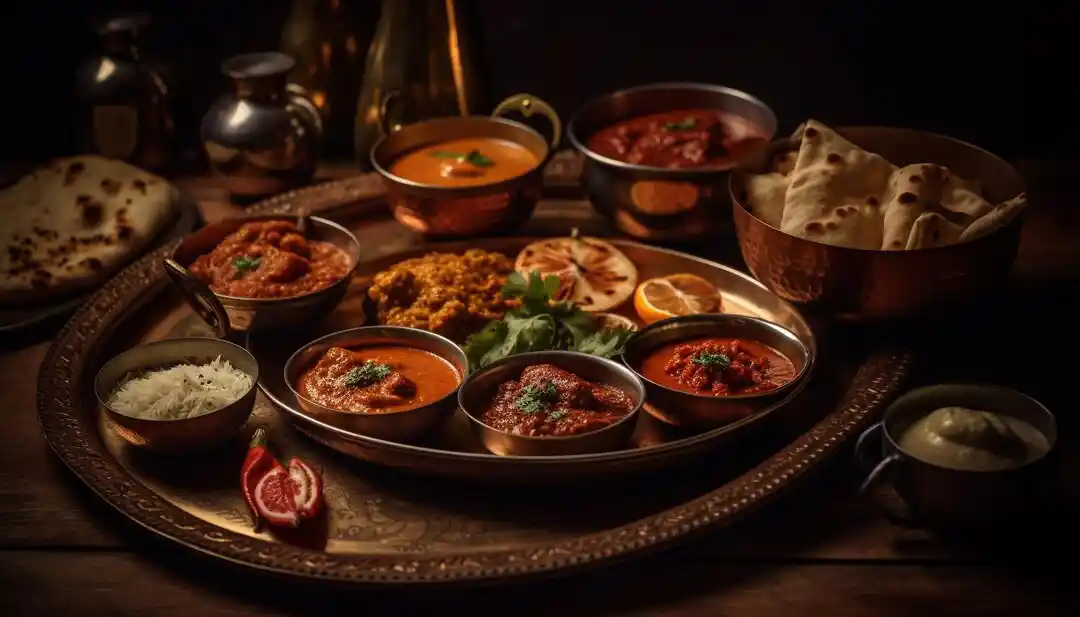
How Is Traditional Hyderabadi Dum Biryani Prepared Using the Dum Method?
Traditional Hyderabadi Dum Biryani is prepared by marinating meat in yogurt and spices, layering it with part cooked basmati rice inside a heavy pot called a handi, sealing the lid with dough, and cooking it slowly over low heat so the rice finishes in its own trapped steam rather than being boiled or fried.
The dum method sounds simple on paper, but getting it right takes practice most home cooks never fully master. Sankranti, a Singapore restaurant rooted in Andhra and Hyderabadi cooking traditions, builds its signature biryani around this exact process. Breaking the method down into its steps shows why timing matters more than any single ingredient.
What Happens During the Marination Stage?
Meat, usually mutton, goat, or chicken, gets marinated in yogurt, ginger, garlic, chili powder, and a mix of whole and ground spices, sometimes overnight for the kacchi method. This step tenderizes the meat and builds the base flavor that will infuse the rice later during cooking. Skipping or rushing marination is one of the most common reasons a home version falls short of a restaurant one.
How Is the Rice Prepared Before Layering?
Basmati rice gets parboiled separately, usually to around seventy percent doneness, before it ever touches the meat. This partial cooking matters because the rice will finish cooking later inside the sealed pot, and starting with fully cooked rice would leave it mushy by the time the dish is done. Getting this stage wrong, either undercooking or overcooking the rice, is one of the more common points where the dish goes sideways.
What Are the Two Layering Methods Used in Hyderabadi Cooking?
Cooks choose between two established techniques depending on the restaurant or region.
- Kacchi yakhni, where raw marinated meat is layered directly under partly cooked rice
- Pakki yakhni, where the meat is semi-cooked before being layered with the rice
- Kacchi is considered more difficult, since raw meat and rice must finish cooking at the same rate
- Pakki gives cooks more control over timing since the meat is already partly done
- Both methods still require the same final sealing and dum cooking step
The method chosen affects both flavor and how forgiving the process is for the cook.
What Does Sealing the Pot with Dough Actually Do?
Sealing the handi with a simple dough border traps steam inside the pot, letting the rice absorb moisture and aroma from the meat and spices without direct boiling. Historical accounts of Hyderabadi cooking describe this as the technique that migrated south with the Nizams’ kitchens in the eighteenth century, blending Mughlai and Persian methods with Deccani spices. The seal is what turns two separate ingredients into one cohesive dish.
How Long Does the Final Dum Cooking Stage Take?
The sealed pot cooks over low heat, sometimes on a bed of hot coals in more traditional kitchens, for around twenty to thirty minutes depending on quantity and pot size. Restaurants cooking in bulk may extend this slightly to account for larger volumes. The low, steady heat is deliberate, since high heat at this stage risks burning the bottom layer before the top finishes cooking.
What Common Mistakes Happen During Home Preparation?
A few recurring issues separate a decent home attempt from a proper restaurant version.
- Using fully cooked rice instead of parboiled rice before layering
- Sealing the pot too early or too late relative to the rice’s doneness
- Skipping the resting period after cooking, which lets flavors settle before serving
- Over spicing the marinade in an attempt to compensate for a shorter marination time
- Opening the pot too early out of impatience, which releases steam before the rice fully absorbs it
Most of these come down to rushing a process that’s built around patience rather than speed.
Why Choose Sankranti
Sankranti’s kitchen follows the same marination, parboiling, and sealed dum cooking sequence outlined in this piece, treating each stage as a fixed step rather than one that gets skipped during busy service. The restaurant has built its identity around Andhra and Hyderabadi cooking since 2008, which means staff are trained specifically in the kacchi layering method rather than a generic biryani preparation. That focus on process is what separates a restaurant committed to the technique from one simply using the name.
Conclusion
The dum method is unforgiving of shortcuts, and every stage, from marination through sealing the pot, plays a role in whether the final dish holds together. Understanding that process makes it easier to recognize when a kitchen has actually followed it.
Get in touch with Sankranti today and taste a Hyderabadi Dum Biryani made the traditional way, start to finish.